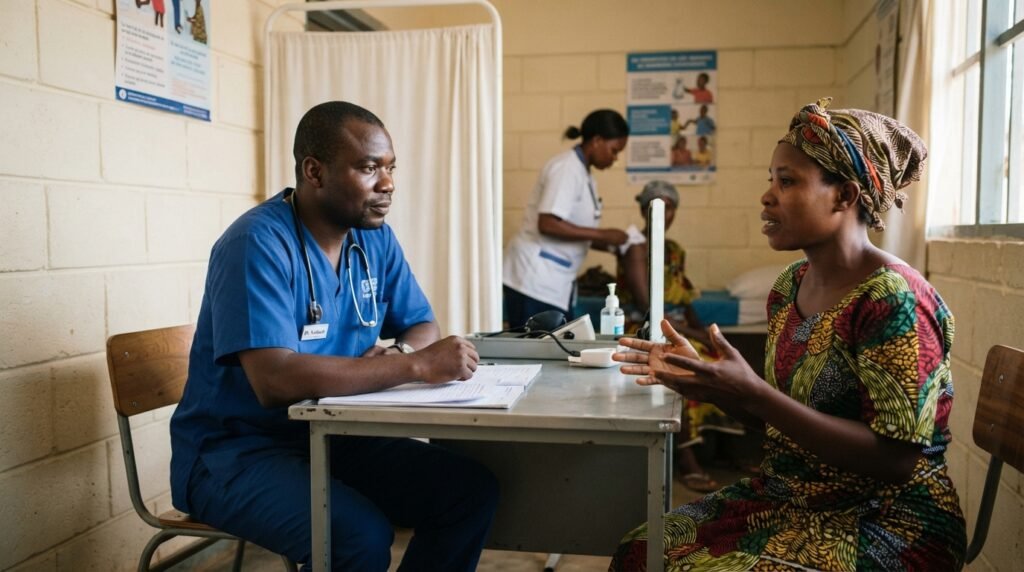
On October 27, 2026, the World Health Organization (WHO) Regional Office for Africa and the Democratic Republic of the Congo (DRC) Ministry of Health officially announced the operational achievements and expansion measures of specialized clinics designed to treat long-term complications in Ebola survivors and prevent secondary transmission caused by residual virus in bodily fluids. This announcement holds significant public health importance, as it completes the final link in the public health surveillance network by providing tailored medical and psychosocial support, as well as biological monitoring, for the 2,700 survivors discharged from Ebola Treatment Centers (ETCs).
Status of Bunia and Beni Clinic Operations
The DRC health authorities and the WHO established the first specialized survivor clinic in Bunia, the capital of Ituri Province, the epicenter of the Ebola outbreak, on September 19, 2026. This was followed by the opening of a second clinic in Beni, North Kivu, on October 17, 2026, further strengthening the management network for survivors. The Bunia flagship facility provided follow-up medical services to over 400 survivors within just one month of operation.
Dr. Huguette Mbuyi Musadi, the Ministry of Health’s survivor tracking lead, emphasized that discharge from an Ebola treatment center does not mark the end of medical support, noting that long-term monitoring is essential for all 2,700 confirmed survivors. Patients visiting the clinic undergo comprehensive diagnostic exams to manage pre-existing conditions like diabetes or hypertension, alongside physical and psychological sequelae triggered by the viral infection.
A 5-Step Comprehensive Care System for Overcoming Physical and Mental Sequelae
Common complications following Ebola (Post-Ebola Syndrome) include joint pain, chronic fatigue, neurological disorders such as memory loss, and mental trauma, including extreme stress and personality changes. Roland Kasamaga, coordinator of the Bunia clinic, noted that without proper follow-up care, these symptoms could significantly degrade a survivor’s quality of life for years to come.
The clinic visit process is systematic, lasting an average of two hours. Survivors receive multi-faceted support through these five key procedures:
- General Medical Examination: Full-body exams to diagnose and treat joint pain, fatigue, and pre-existing chronic conditions.
- Psychosocial Counseling: Healing support to mitigate trauma and social stigma formed during infection and isolation.
- Tailored Nutritional Management: Nutritional assessment and dietary guidance to restore physical function and boost immunity.
- Biological Diagnostic Testing: Precise blood tests and clinical examinations to check for residual virus in bodily fluids.
- Pharmacy and Medication Guidance: Providing customized prescriptions and education on infection prevention, including the distribution of barrier supplies like condoms.
Mechanism for Monitoring Residual Viral Fluids and Preventing Secondary Transmission
A core function of the clinic is “biological surveillance” based on fluid testing. Ebola virus can persist in certain bodily fluids, such as semen, for months after recovery, serving as a potential source for recurrence or secondary community transmission through routes like unprotected sexual contact.
Elisée Mbusi, a nurse at the clinic’s pharmacy, noted that they are practicing preventative measures by providing regular semen testing and safe condoms to male survivors. Dr. Brys Busanga, a WHO survivor tracking officer, explained that any public health measure missing survivor management is incomplete; the goal of the clinic is to close gaps in the response and support the total holistic recovery of survivors.
Over 90% Participation Rate Through Survivor Networks
The clinic employs a strategy to resolve feelings of alienation and social stigma by appointing survivors as “Community Mobilizers.” Aimée, a survivor-turned-activist, helps coordinate voluntary check-ups for fellow survivors and manages a system where transportation costs are fully reimbursed, which has significantly boosted participation.
Thanks to this high-touch persuasion and transport support, over 90% of contactable survivors are complying with their regular follow-up appointments. Christian Buna, a survivor who completed his check-up, stated that the clinic helped him overcome health-related anxieties and expressed his intention to join efforts to inform other survivors of the importance of regular screenings.
International Support and Challenges for Strengthening Public Health Safety Nets
The DRC survivor clinic project is supported financially and technically by the UN Central Emergency Response Fund (CERF) and the UK government. The WHO and the DRC Ministry of Health plan to continue expanding dedicated clinical spaces and monitoring networks to minimize the discrimination and inconvenience Ebola survivors might face in general hospitals.
However, this report is based on a single official announcement from the WHO Regional Office for Africa, and objective verification of outside data is currently limited. The duration of viral persistence in bodily fluids varies by individual, necessitating long-term collection of tracking data, and ensuring accessibility for survivors living in remote areas remains a future challenge. Health authorities and the WHO plan to analyze accumulated tracking data to consider establishing further clinics and to continue strengthening the network to prevent the recurrence of infectious diseases.