Heatwaves have transcended mere weather discomfort; they are now a cost-of-living issue impacting electricity bills, housing choices, and urban competitiveness.
The most immediate effect of rising temperatures is the cost of cooling. However, the costs associated with heatwaves extend far beyond the electricity bill. Areas lacking shade and greenery experience reduced pedestrian traffic and outdoor activity, while homes with inadequate cooling systems suffer from significantly lower resident satisfaction.
Cities are expanding their use of street trees, heat-shielding pavement, bus stop shelters, and cooling centers. These facilities not only reduce health risks but also influence local commercial activity and mobility.
When selecting a home, factors such as orientation, ventilation, insulation performance, and nearby greenery are becoming increasingly important. For properties of the same size, actual living costs can vary depending on summer cooling efficiency.
Addressing heatwaves is not merely an environmental policy matter. Going forward, a city’s climate adaptability is likely to become a critical determinant of housing costs, property value, and quality of life.
The Price of Heat Varies Within the Same City
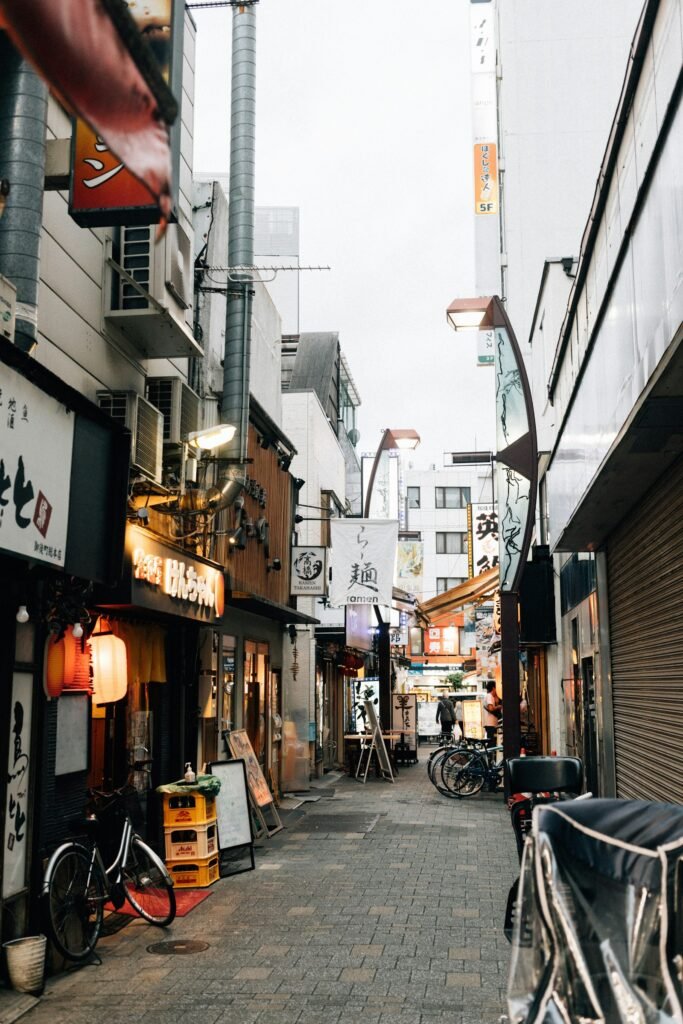
While temperatures are reported for the city as a whole, the heat experienced by individuals varies from neighborhood to neighborhood. Densely populated areas with little tree cover and vast expanses of asphalt—where heat cannot escape at night—require longer periods of air conditioning. Conversely, areas with well-maintained green spaces and ventilation corridors experience lower perceived heat stress at the same ambient temperature.
This difference translates directly into living expenses. Older buildings, which often have poor window sealing and insulation, see electricity consumption spike quickly even with cooling units running. Top-floor units and west-facing homes tend to retain afternoon heat longer. This is why you should look beyond monthly rent or sales prices and also consider summer electricity bills, exterior shading, ventilation, and the location of the outdoor HVAC unit when evaluating a home.
Urban Policy as a Real Estate Factor
Street trees, parks, and shade structures are more than just aesthetic additions; they are the foundation for encouraging walking and sustaining commercial districts. As heatwave warnings become more frequent, the availability of shaded paths connecting schools, hospitals, and public transportation will heavily influence residential satisfaction. In the long term, heat island effects and cooling efficiency are likely to become as vital to housing selection as flood risk assessments.
A heat-resistant home does not necessarily need to be a new build. Small improvements, such as external shades that block sunlight, sealing door gaps, or using fans in tandem with air conditioning, can be effective. However, since individual efforts alone are not enough, it is necessary to look at how a building and the surrounding neighborhood cope with heat when selecting a home.
Costs Beyond Electricity Bills
As heatwaves persist, costs related to travel, labor, and health management also rise. Avoiding the outdoors during the day increases reliance on delivery services and private vehicles, and outdoor labor productivity can decline. The U.S. EPA explains the heat island phenomenon as a product of land surface and urban structure, proposing solutions like green spaces, cool roofs, and heat-reflective pavement. However, the actual effectiveness of these facilities depends on maintenance and the continuity of the shade they provide.
When inspecting a home, do not just check the energy efficiency rating; it is better to observe how indoor temperatures fluctuate during the hottest parts of the day. The size of west-facing windows, the presence of external shades, whether the unit is on the top floor, the location of the outdoor AC compressor, and the potential for night-time ventilation all impact actual cooling costs. For apartments where the cost of replacing cooling equipment is included in maintenance fees, long-term repair plans are also important. While climate adaptability may not yet feature prominently in real estate advertisements, it is a cost that residents pay repeatedly every year.
The Value of a Home is Clearest at Midday in Summer
When evaluating a place to live, it is time to look beyond just proximity to subway stations and commercial centers and include shade, insulation, ventilation, and cooling costs as key criteria. Heatwaves are no longer a temporary nuisance; they are a recurring condition of daily life. As cities become hotter, the value of well-adapted homes and neighborhoods will manifest in everyday life long before it shows up in official data.
Things to Consider Before Applying to Your Life
Life trends are rarely one-size-fits-all. Costs and benefits vary depending on your residential area, family structure, commuting habits, and health status. Always check the survey region, target age group, and publication date of official data, and compare current local prices and operational conditions before making an actual choice. It is more important to distinguish which conditions suit you and which do not than to simply be aware of new trends.
Turning General Trends into Personal Choices
For topics close to home—such as travel, housing, and health—it is difficult to reach a conclusion based solely on averages. Even for the same destination, costs and satisfaction levels vary depending on your city of origin, travel time, number of companions, and the season. After identifying broad trends from official statistics, you should re-examine actual booking conditions, local transportation, and cancellation policies. In areas where demand is rising rapidly, accommodation and final transport links may become scarce before search volume trends suggest. By verifying the release dates of data and tailoring the findings to your specific schedule, you can make realistic choices rather than just following the most popular rankings.
Official Source
U.S. EPA Heat Island Compendium